

ART EXHIBITION: THE VENUS OF A NEW AGE!
- Feb 12
- 2 min read
Updated: Apr 8
CELEBRATING THE 100TH ANNIVERSARY OF ART DECO at the Nakanoshima Museum of Art, Osaka.


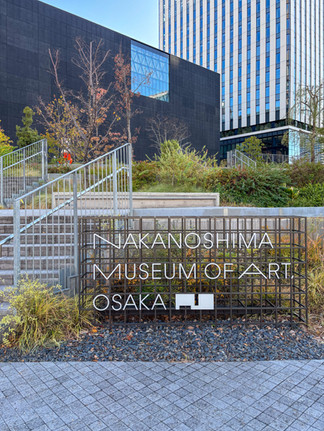

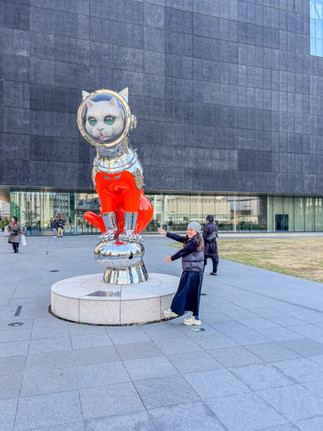
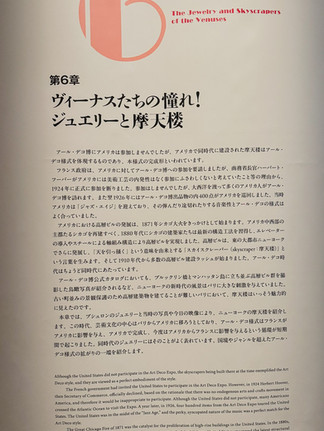
On 6 December 2025 I visited The Venus of a New Age: Celebrating a Century of Art Deco at the Nakanoshima Museum of Art, Osaka. The exhibition focused on how women were represented during the period of Art Deco. It was presented to mark one hundred years since the International Exhibition of Modern Decorative and Industrial Arts, the event in Paris that introduced the Art Deco movement. The exhibition also formed part of the wider context of Expo 2025 Osaka, linking a design moment from the past with the present.

The exhibition took place in the 5th floor galleries of the museum and ran from 4 October 2025 to 4 January 2026. It was organised by the Nakanoshima Museum of Art together with Asahi Television Broadcasting Corporation and The Asahi Shimbun Company. The curatorial approach positioned the exhibition not only as a historical survey but also as a way to examine how design, industry, and social change intersected during the early twentieth century, particularly through the visual construction of the female figure.






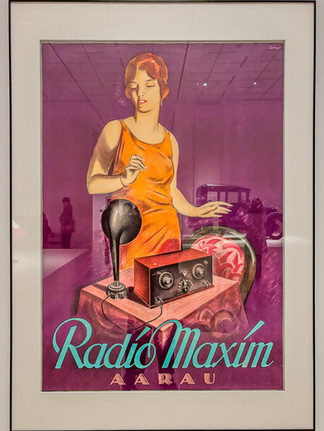
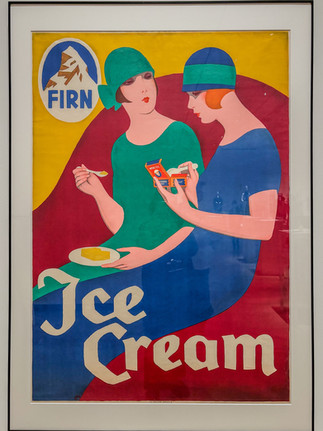
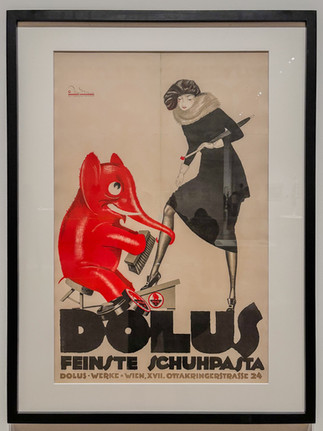
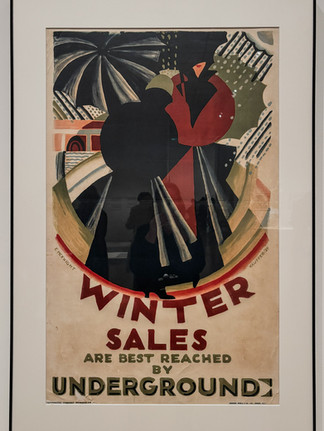
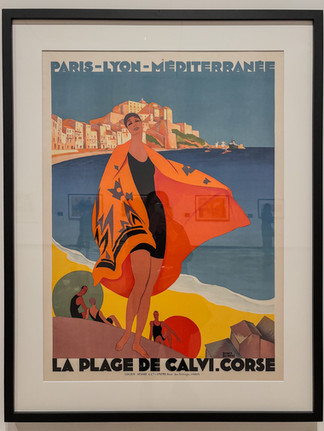
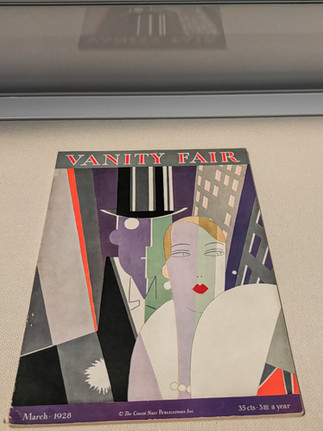
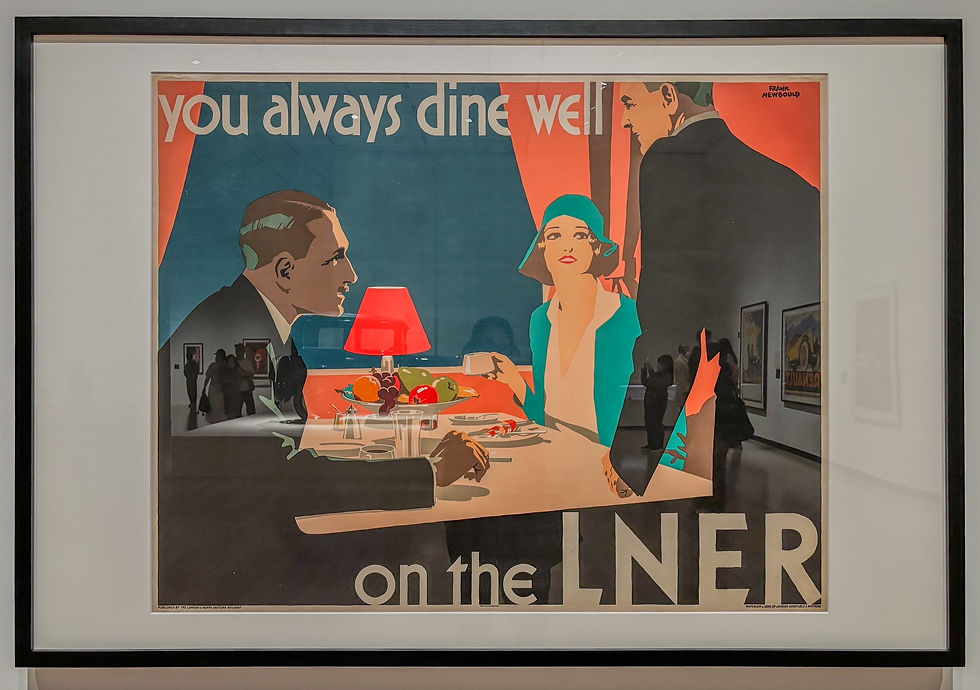
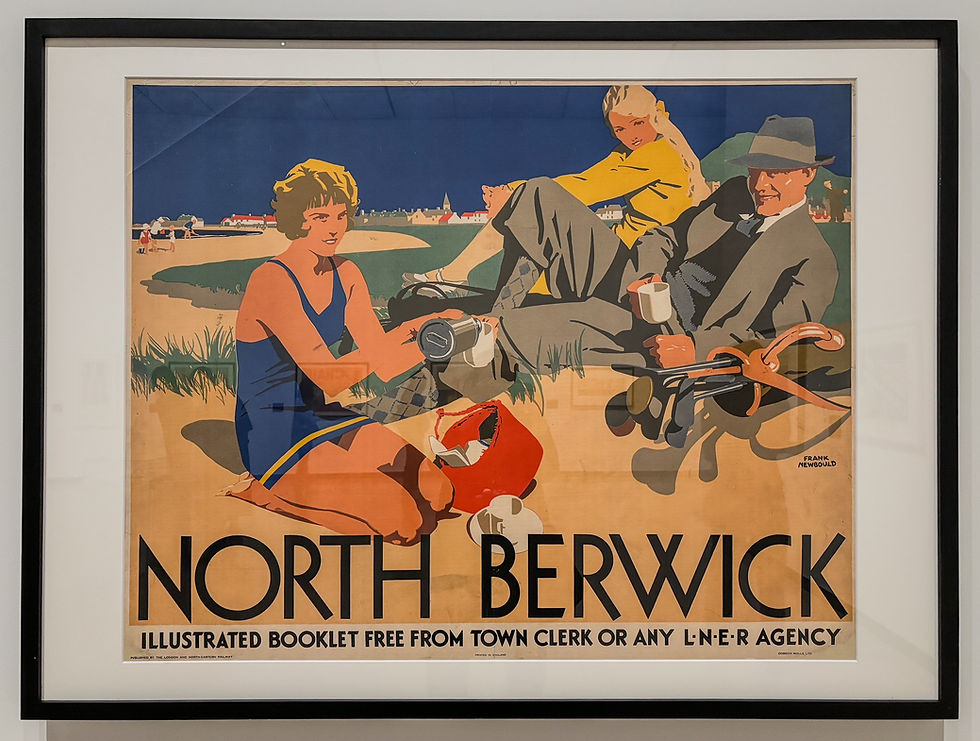
The exhibition presented more than one hundred posters selected from the Suntory Poster Collection, which contains over 18,000 works and is stored with the museum. Many of these posters depicted women and showed how the female figure was used in advertising, design, and public imagery during the early twentieth century. Alongside the posters, the exhibition included objects linked to everyday life during that time, including jewellery, perfume bottles, clothing, and cars. These materials showed how images of women circulated across many forms of design and consumer culture.
Posters from this period were produced using lithographic printing. In this process the artist prepared a separate stone or metal plate for each colour. Ink was applied to the surface and transferred onto paper through a press. Because each colour required a separate plate, printers had to align the paper for every layer. This process allowed designers to build images through layers of colour and line. It also made it possible to print posters in large quantities so they could be displayed in public spaces such as streets, theatres, and shops.
In several posters it was possible to see the printing process itself. Some prints still showed registration marks and alignment guides used to position each colour layer. These marks revealed the working process behind the final image and showed how the prints were constructed through multiple stages.







































References:
Nakanoshima Museum of Art, Osaka 2025, The Venus of a New Age! Celebrating the 100th Anniversary of Art Deco Exhibition, Noto Printing Corporation
Nakanoshima Museum of Art, Osaka 2025, The Venus of a New Age: Celebrating a Century of Art Deco, Nakanoshima Museum of Art, Osaka, viewed 13 February 2026, <https://nakka-art.jp/en/exhibition-post/artdeco100th-en/>.


