

T4 WK 10: The challenges of the creative process
- Apr 29
- 4 min read
This topic explores creativity as an active, ongoing process rather than a simple moment of inspiration. Creativity can be understood from different perspectives: as experimentation, problem-solving, emotional expression, research, play, discipline, and risk-taking. In visual arts practice, the creative process often moves through stages and cycles, including research, idea development, material testing, making, reflection, failure, adjustment, and resolution. These stages do not always happen in a straight order. Artists often return to earlier ideas, change direction, or discover unexpected outcomes through mistakes and limitations.
A key focus of this topic is building resilience in the face of setbacks. Creative challenges may include technical problems, self-doubt, criticism, lack of resources, physical limitations, time pressure, or work that does not develop as planned. Learning to respond to these challenges is an important part of becoming an artist.
Jerry Saltz discusses creativity as something that can be practiced, developed, and strengthened over time, rather than something only a few people are born with. Saltz encourages artists to keep making work, take risks, accept failure, and stop waiting for perfect conditions before beginning. The video connects strongly to the challenges of the creative process because it focuses on persistence, discipline, self-belief, and learning through mistakes. Saltz presents artmaking as a process of showing up regularly, paying attention, and allowing the work to evolve through effort and experimentation.
Mason Currey discusses the importance of daily habits, routines, and repeated actions within the creative process. Currey is known for researching the working lives of artists, writers, composers, and other creative people, showing that creativity is often supported by structure rather than waiting for inspiration to appear. The video suggests that rituals can help artists begin their work, stay focused, and build momentum over time. These rituals may be simple, such as working at the same time each day, setting up a workspace, walking, reading, or following a repeated pattern before making work. This relates to creative practice because it shows that consistency, discipline, and routine can support creativity, especially during periods of doubt, distraction, or creative block.
The Tao of Rick Rubin explores Rick Rubin's ideas about creativity, intuition, attention, and the artist's relationship to the work. In conversation with Ezra Klein, Rubin discusses creativity as a way of being open and receptive, rather than forcing ideas into a fixed outcome. The video suggests that artists need to listen carefully, remove distractions, trust instinct, and allow the work to reveal itself through the process. Rubin's approach connects to the challenges of the creative process because it values uncertainty, patience, experimentation, and failure as part of making meaningful work.
This interview with Julia Cameron, author of The Artist's Way, discusses creative blocks, artistic confidence, and the habits that support a creative life. Cameron speaks about creativity as something that needs regular attention and care, rather than something that only appears through inspiration. The discussion connects to her well-known ideas such as morning pages, routine, self-trust, and making space for creative recovery. The interview also touches on contemporary concerns around AI and creativity, including questions of originality, authorship, and whether artificial intelligence takes from artists without consent. This relates to the challenges of the creative process because it considers both internal struggles, such as doubt and blocked creativity, and external pressures, such as technology and changing creative industries.
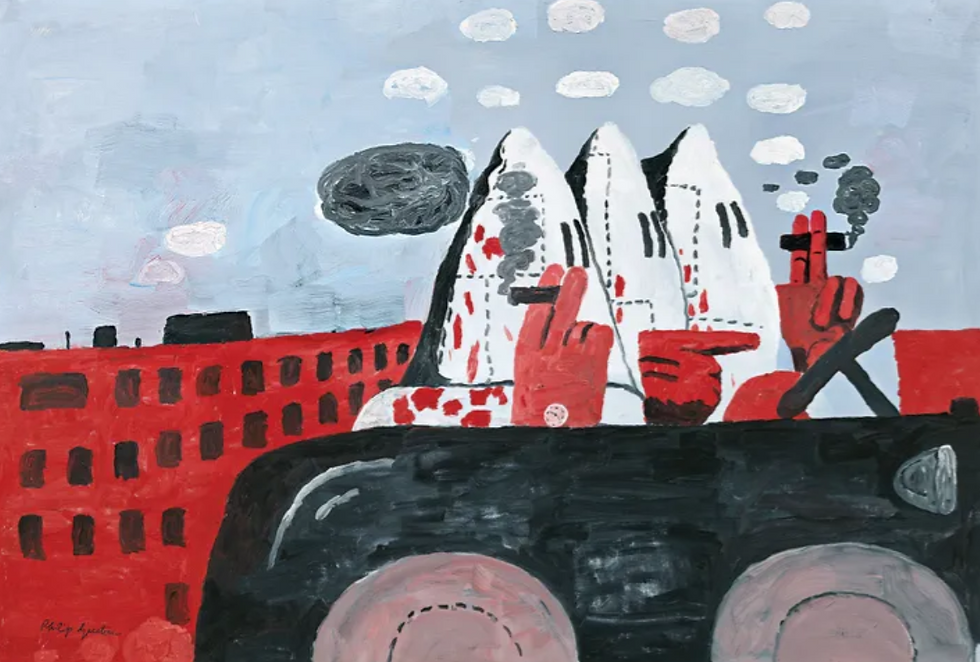
Jerry Saltz's article How to Be an Artist gives practical advice for developing a creative life and overcoming fear, doubt, and creative blocks. Written as a series of 33 rules, the article encourages artists to begin wherever they are, accept being an amateur, work regularly, take risks, and learn through making rather than waiting to feel ready. Saltz argues that art does not have to be perfect or fully understood to matter. Instead, he focuses on experimentation, persistence, observation, and finding your own story through practice. This article relates strongly to the challenges of the creative process because it shows that uncertainty, failure, embarrassment, and repetition are normal parts of becoming an artist.
References:
David Choe 2024, How to Overcome Creative Blocks and Fuel Inspiration, online video, YouTube, viewed 28 April 2026, <https://youtu.be/cq3QBKbHUro?si=Dq4PM-q1THOotyJo>. (Figure 1)
How To Be.. Books Podcast with Suswati Basu 2023, Interview: The Artist’s Way author Julia Cameron on creative blocks and AI “thievery”, online video, YouTube, viewed 28 April 2026, <https://www.youtube.com/watch?v=pE5bpCOssYw>. (Figure 5)
SXSW 2020, Jerry Saltz On "How to be an Artist", online video, YouTube, viewed 28 April 2026, <https://www.youtube.com/watch?v=2VP7j86jqt4>. (Figure 2)
The Ezra Klein Show 2023, The Tao of Rick Rubin, online video, YouTube, viewed 28 April 2026, <https://www.youtube.com/watch?v=3g6lPOHtjl0>. (Figure 4)
Saltz, J. 2018, ‘How to Be an Artist’, Vulture, 27 November, viewed 28 April 2026, <https://www.vulture.com/2018/11/jerry-saltz-how-to-be-an-artist.html>. (Figure 6)
The Process 2021, Mason Currey on Rituals, online video, YouTube, viewed 28 April 2026, <https://www.youtube.com/watch?v=1LDDTMMdvQ0>. (Figure 3)


